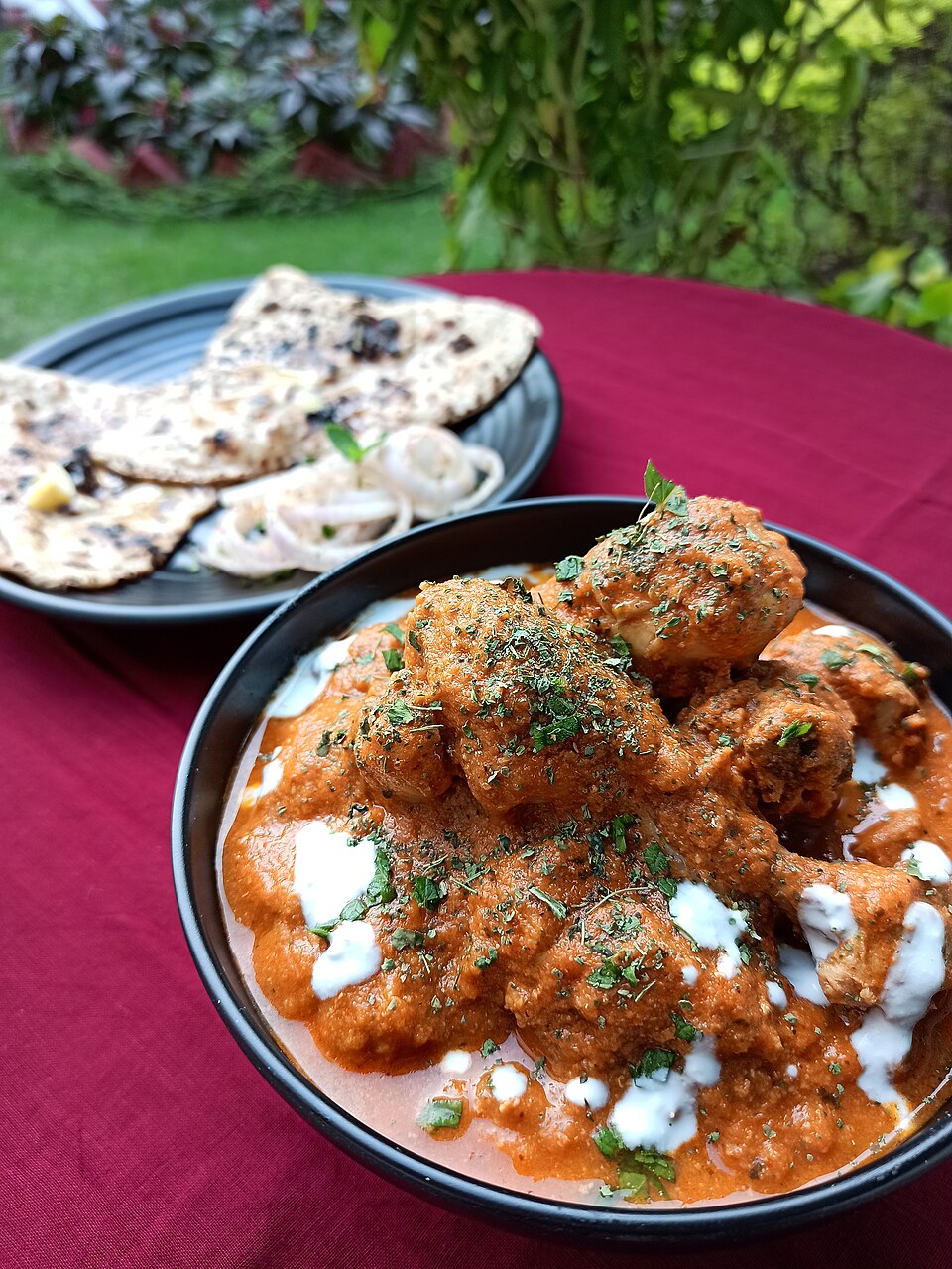
Few dishes command the same global reverence and comfort as butter chicken. This iconic Indian curry, known in Hindi as Murgh Makhani, is a symphony of rich, creamy, and mildly spicy flavors that has charmed palates from Delhi to Des Moines. Its signature orange hue, tender chicken, and velvety gravy make it a staple in Indian restaurants worldwide and a cherished dish in countless homes. But what makes butter chicken so irresistible, and how did it achieve such widespread fame?
From its humble post-partition origins in a bustling Delhi eatery to its current status as a culinary superstar, the journey of butter chicken is as rich and complex as its taste. This article delves deep into the heart of this beloved dish, exploring its history, deconstructing its key components, offering a guide to making it at home, and even touching upon its delicious variations. Prepare to embark on a flavorful exploration of the one and only butter chicken.
The Culinary Journey: Tracing the Origins of Butter Chicken
The story of butter chicken is intertwined with the history of modern India itself, specifically the partition of India in 1947. Its genesis is often attributed to Kundan Lal Gujral, the founder of the Moti Mahal Deluxe restaurant in Daryaganj, Old Delhi. Gujral, a refugee from Peshawar (now in Pakistan), brought with him innovative cooking techniques, including the Tandoor oven.
The original Moti Mahal was famous for its Tandoori Chicken. However, a problem arose: unsold Tandoori Chicken would dry out by the end of the day. To combat this, Gujral and his chefs devised a brilliant solution. They simmered the leftover chicken in a rich, tomato-based gravy, fortified with butter and cream, creating a moist and flavorful dish that was an instant hit. This improvisational act of culinary genius gave birth to Murgh Makhani, or butter chicken as it became known globally.
Initially, it was a practical solution to food waste, but its incredible taste quickly propelled it to stardom. The dish’s mild spice profile and comforting creaminess appealed to a broad audience, including foreign dignitaries and celebrities visiting India. Its fame steadily grew, leading to its adoption in Indian restaurants across the globe, solidifying its place as one of the most beloved and recognizable Indian curries.
Unpacking the Flavors: Key Ingredients for Authentic Butter Chicken
The magic of butter chicken lies in the delicate balance of its core components. Achieving an authentic taste requires attention to both the chicken and the luxurious gravy.
The Chicken: Marination is Key
Traditionally, butter chicken starts with Tandoori Chicken. This means chicken pieces, usually boneless thighs or breasts, are marinated for several hours (or overnight) in a mixture of yogurt and a vibrant blend of spices. Common marinating spices include red chili powder (for color and mild heat), turmeric, cumin, coriander, ginger-garlic paste, and sometimes a touch of garam masala. The yogurt helps tenderize the chicken and allows the spices to penetrate deeply.
While an authentic Tandoor oven provides that unmatched smoky char, at home, you can achieve excellent results by grilling, pan-frying, or baking the marinated chicken until it's cooked through and slightly charred at the edges. The smoky notes are crucial for the depth of flavor in the final dish.
The Creamy Tomato Gravy: The Soul of the Dish
This is where the "butter" and "cream" of butter chicken truly shine. The gravy is a rich, velvety concoction built upon a base of tomatoes, butter, and cream, along with aromatic spices and nuts for texture and richness. Here’s a breakdown of its key elements:
- Tomatoes: Both fresh ripe tomatoes (puréed) and good quality canned crushed tomatoes are used. They provide the essential tang and body to the gravy.
- Butter: Lots of it! Butter is integral to the dish's richness and smooth texture.
- Cream: Heavy cream or fresh cream adds luxuriousness and tempers the spice, contributing to its signature mildness.
- Aromatics: Ginger and garlic paste form the fragrant foundation, often sautéed with green chilies for a subtle kick.
- Nuts/Seeds: Cashew nuts are commonly used, soaked and ground into a paste, to thicken the gravy and add a subtle sweetness and creaminess. Almonds or even melon seeds can also be used.
- Spices: Beyond the initial marination, the gravy is seasoned with a careful blend. Key spices include garam masala, Kashmiri red chili powder (for color without excessive heat), and most importantly, kasoori methi (dried fenugreek leaves). Kasoori methi imparts a unique, slightly bitter, and aromatic flavor that is absolutely essential for authentic butter chicken.
Crafting Your Own Butter Chicken: A Step-by-Step Guide
Making butter chicken at home might seem daunting, but by breaking it down into manageable steps, you can create a truly spectacular dish. This simplified guide focuses on achieving that authentic flavor without needing a Tandoor.
- Marinate the Chicken: Cut 1-1.5 lbs boneless chicken (thighs or breast) into 1-inch pieces. Mix with 1/2 cup plain yogurt, 1 tbsp ginger-garlic paste, 1 tsp red chili powder, 1/2 tsp turmeric, 1 tsp cumin powder, 1/2 tsp salt. Marinate for at least 2 hours, or preferably overnight in the fridge.
- Cook the Chicken: Heat 2 tbsp oil in a pan or cast iron skillet over medium-high heat. Sear the marinated chicken pieces until golden brown and cooked through. Set aside. Alternatively, bake or grill the chicken until tender and slightly charred.
- Prepare the Gravy Base: In a large pot or Dutch oven, melt 3-4 tbsp butter over medium heat. Add 1 large onion (finely chopped) and sauté until translucent. Stir in 1 tbsp ginger-garlic paste and 1-2 green chilies (slit, optional) and cook for another minute until fragrant.
- Add Tomatoes and Spices: Add 2 cups puréed tomatoes (from fresh or canned) and cook, stirring occasionally, until the mixture thickens and the fat separates. Stir in 1 tsp Kashmiri red chili powder, 1/2 tsp turmeric, 1 tsp garam masala, and salt to taste. Cook for 2-3 minutes.
- Incorporate Nuts and Simmer: Add 1/4 cup cashew paste (made by soaking cashews in hot water for 15 mins then blending) or 1/4 cup ground almonds. Add about 1/2 - 1 cup water or chicken broth. Bring to a simmer, cover, and cook for 15-20 minutes, allowing the flavors to meld.
- Blend for Smoothness: Carefully transfer the gravy mixture to a blender (or use an immersion blender) and blend until completely smooth. Pass through a sieve for an extra-silky texture if desired. Return the gravy to the pot.
- Finish the Gravy: Stir in 1/2 cup heavy cream and 1-2 tbsp more butter. Add 1 tsp crushed kasoori methi (dried fenugreek leaves, rubbed between your palms to release aroma). Simmer gently for 5-7 minutes, ensuring the gravy doesn't boil vigorously.
- Combine and Serve: Add the cooked chicken pieces to the gravy. Mix well and heat through for a few minutes. Garnish with a swirl of fresh cream and chopped fresh cilantro.
Tips for the Perfect Butter Chicken
- Don't Skip the Kasoori Methi: This ingredient is a game-changer for authentic flavor.
- Quality Matters: Use good quality tomatoes, fresh ginger-garlic, and fresh cream for the best results.
- Taste and Adjust: Always taste your gravy at various stages and adjust salt, sweetness (a pinch of sugar can balance the tomatoes), and spice levels.
- Rest for Flavor: Like many curries, butter chicken often tastes even better the next day as the flavors continue to deepen.
- Serving Suggestions: Serve hot with fresh naan bread, roti, or steamed basmati rice to soak up every last drop of that glorious gravy. You can explore more pairing ideas in our companion article, butter chicken - Article 2.
Beyond the Basics: Variations and Healthier Alternatives
While the classic butter chicken is a universally loved masterpiece, its adaptable nature has led to many delicious variations, catering to different dietary needs and preferences.
Vegetarian and Vegan Adaptations
For those avoiding meat, the rich gravy base of butter chicken can be paired with paneer (Indian cottage cheese), tofu, or mixed vegetables like cauliflower and peas. For a vegan version, swap dairy butter for a plant-based alternative, and heavy cream for full-fat coconut milk or cashew cream. The essential spices and cooking method remain largely the same, ensuring a similar flavor profile.
Healthier Twists
If you're looking to reduce the richness, you can make a few modifications:
- Reduced Fat Dairy: Use Greek yogurt in the marinade and opt for half-and-half or light cream instead of heavy cream in the gravy.
- Less Butter: While butter is in the name, you can reduce the amount slightly without completely sacrificing flavor.
- More Vegetables: Bulk up the dish with extra puréed vegetables like carrots or bell peppers in the gravy for added nutrients and fiber.
Smoky Enhancements
If you don't have a Tandoor, you can still infuse a smoky flavor. After the chicken is cooked and added to the gravy, create a small well in the center of the dish, place a small heat-proof bowl with a burning piece of charcoal, drizzle a teaspoon of ghee over it, and quickly cover the pot for 5-10 minutes. This "dhungar" technique imparts an authentic smoky aroma that elevates the dish significantly. Discover more advanced techniques and pairings in butter chicken - Article 3.
The beauty of butter chicken lies not just in its iconic flavor but also in its versatility, allowing home cooks and chefs alike to experiment while retaining its comforting essence.
In conclusion, butter chicken is far more than just a dish; it's a culinary legacy born from necessity and perfected through passion. Its creamy texture, tender chicken, and harmonious blend of spices make it a timeless classic that continues to win hearts worldwide. Whether you're a seasoned chef or a home cook, attempting this dish is a rewarding experience that connects you to a rich history of Indian cuisine. So, gather your ingredients, follow the steps, and prepare to indulge in the unparalleled comfort and flavor of authentic Murgh Makhani. Your taste buds will thank you!
